


Exploring Casino Licensing in Different Jurisdictions
As the global gambling industry continues to expand, the question of casino licensing becomes increasingly important. Different jurisdictions offer unique advantages and challenges for casino operators. In this article, we will delve into the intricacies of Casino Licensing in a Different Jurisdiction Explained casino licensed in another jurisdiction, examining why many companies opt for licensing outside their home country and what implications this has for players and businesses alike.
The Importance of Casino Licensing
Casino licensing serves as a critical foundation for the gambling industry. It establishes a framework within which gaming operators can operate legitimately, ensuring player protection, fair play, and the integrity of the gaming experience. Licensing bodies impose strict regulations to govern aspects like operational conduct, financial transparency, and customer safety.
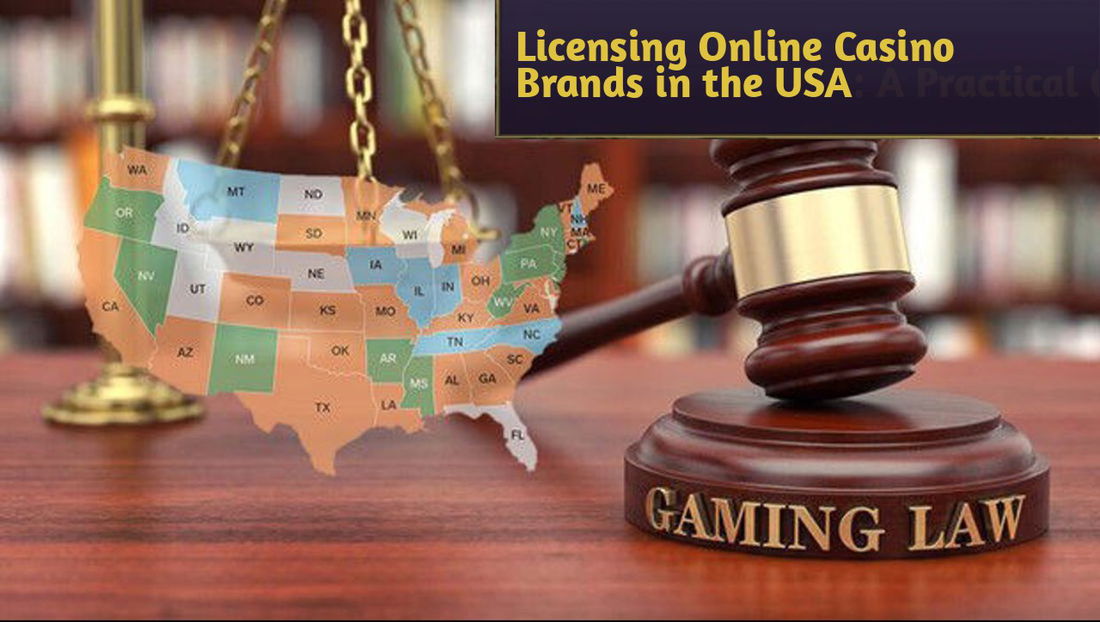
Without proper licensing, casinos can face severe penalties, including fines, revocation of rights, and bans from operating altogether. For players, playing at non-licensed casinos poses risks, such as unfair practices, lack of accountability, and difficulty in resolving disputes.
Types of Casino Licenses
Casinoss can generally secure one of two major types of licenses: national licenses and international licenses. National licenses are issued by individual countries and are subject to local laws, while international licenses are often granted by offshore jurisdictions that provide favorable legal frameworks for gaming operators.
Some of the well-known jurisdictions for international casino licenses include:
- Malta: Known for its robust regulatory framework and commitment to player protection.
- Gibraltar: Offers favorable tax rates and has a strong reputation in the industry.
- Curacao: Attracts many new companies due to its relatively low cost and fast licensing process.
- Isle of Man: Renowned for its high standards and focus on responsible gaming.
The Licensing Process
The process of obtaining a casino license can vary significantly depending on the jurisdiction. Generally, operators must follow a series of steps, including:
- Application submission: This involves providing detailed information about the business model, owners, and operational plans.
- Background checks: Regulatory bodies will conduct thorough checks on the owners and key stakeholders to assess their integrity and financial stability.
- Compliance with regulations: Operators must demonstrate knowledge and compliance with local laws and regulations surrounding gambling.
- Payment of fees: Licensing typically involves considerable fees, which can vary widely based on the jurisdiction and the type of license applied for.
Once the license is granted, operators must adhere to ongoing reporting and compliance requirements, ensuring transparency and accountability in their operations.
The Impact on Players
The choice of jurisdiction can significantly impact players. For instance, casinos licensed in reputable jurisdictions often offer better player protection and fairer gaming practices. These licenses require operators to adhere to strict standards, ensuring players have access to reliable customer support and secure payment options.
Conversely, casinos licensed in less regulated jurisdictions may pose more risks to players. Issues such as unclear dispute resolution processes, limited recourse for player complaints, and the potential for unfair game outcomes can make these casinos less attractive.
Trends in Casino Licensing
In recent years, there has been a marked shift in how online casinos approach licensing. Many operators are now seeking multiple licenses across different jurisdictions to broaden their market reach and enhance credibility. This strategy allows them to offer their services to a wider audience while adhering to local laws in various regions.
Moreover, as the industry evolves, so too do the regulations governing it. There is a growing emphasis on responsible gaming, which involves the implementation of measures to promote player safety and responsible gambling practices. Licensing bodies are increasingly demanding that operators take active steps to protect vulnerable players, including the provision of self-exclusion tools and access to support services.
Challenges Faced by Casino Operators
While seeking a license in a different jurisdiction offers many benefits, it also poses challenges. Operators must navigate complex regulatory environments, which can differ dramatically from their home country. Understanding the nuances of local laws, taxation rules, and consumer protection regulations is a crucial part of doing business in foreign markets.
Furthermore, cultural differences and unique market dynamics can impact how casinos operate and market themselves in different regions. What works in one country may not resonate in another, necessitating a tailored approach to customer engagement and retention.
The Future of Casino Licensing
As online gambling continues to grow, the landscape of casino licensing is likely to evolve further. Regulatory authorities may adapt their frameworks to accommodate new technologies such as blockchain and cryptocurrencies, which have the potential to revolutionize the gaming industry.

Additionally, as more countries move towards legalizing online gambling, the demand for casino licenses will likely increase. This evolution will require licensing bodies to remain vigilant, ensuring that regulations keep pace with changes in technology and market trends.
Conclusion
Casino licensing in different jurisdictions presents a unique set of opportunities and challenges for operators and players alike. By understanding the regulatory landscape and its implications, casino operators can make informed decisions that enhance their business models while ensuring player safety and adherence to legal standards. As the industry continues to grow and evolve, the importance of robust licensing frameworks will remain a cornerstone of responsible gambling practices.