

The role of skill versus luck in various gambling games
Understanding Gambling Mechanics
The dynamics of gambling games often spark a debate about the balance between skill and luck. Games like poker, where strategic thinking and psychological insight play a pivotal role, are largely viewed as skill-based. Players can significantly influence outcomes through their decisions, such as betting, bluffing, and choosing when to fold. In this context, mastering the nuances of the game becomes paramount for success. On the other hand, games like slots and roulette are predominantly driven by luck, as outcomes are determined by random number generators or spinning wheels.
This distinction highlights the importance of understanding the mechanics behind various gambling games. While players may have a degree of agency in games reliant on skill, they must also recognize that even the most skilled players can experience stretches of bad luck. Conversely, a fortunate bet in a game of pure chance can yield unexpected rewards without any skill involved. Therefore, separating these two elements can greatly shape one’s approach to gambling.
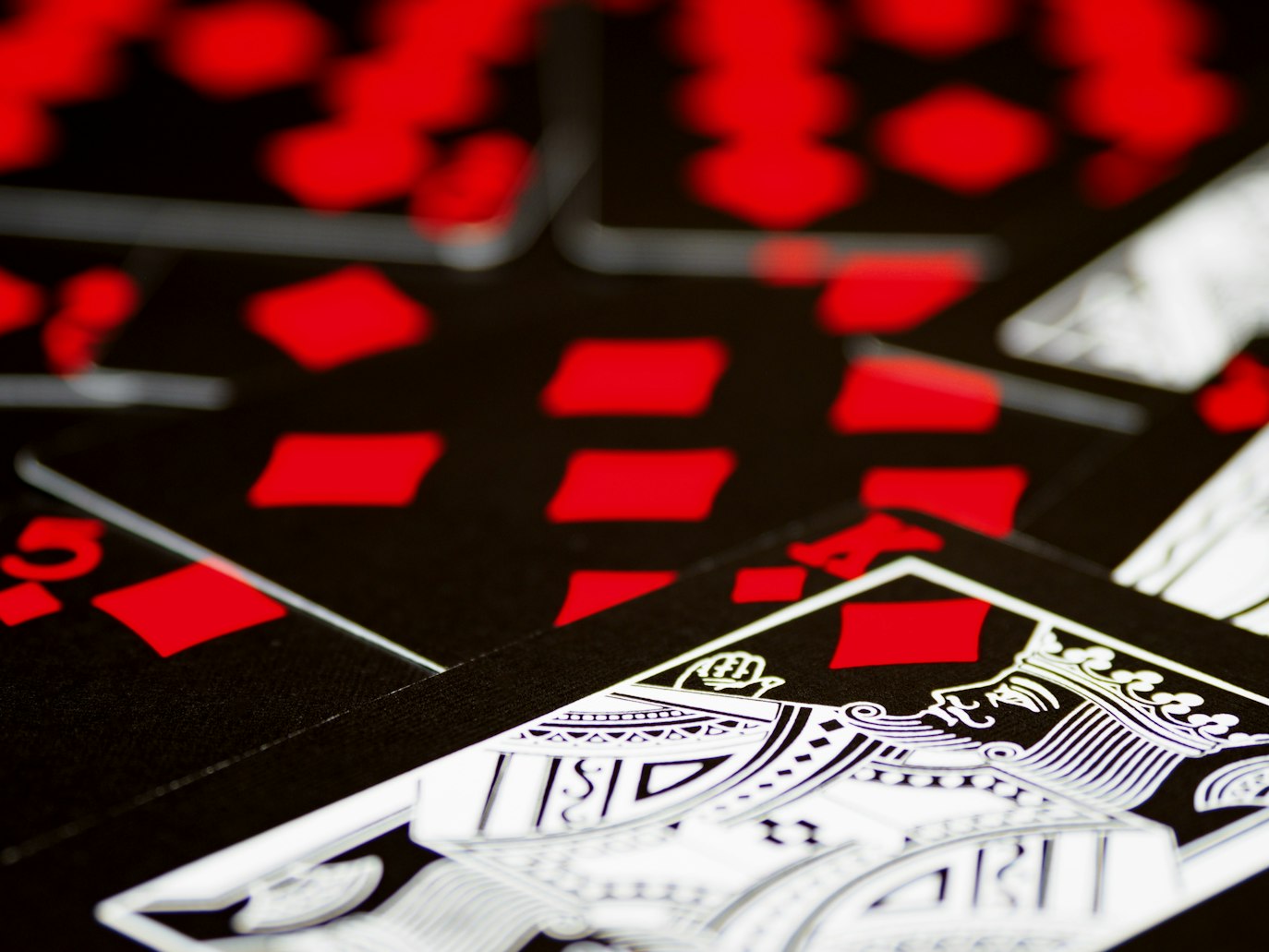
The Role of Skill in Strategic Games
In skilled gambling games such as poker and blackjack, players engage in a competition of strategy, psychology, and mathematics. For instance, poker necessitates a deep understanding of game theory and the ability to read opponents’ behaviors. Players must adapt quickly, making calculated decisions based on perceived patterns and probabilities. Those who hone these skills often reap the rewards, maximizing their long-term winnings.
Moreover, blackjack further emphasizes the skill aspect through counting cards and assessing risk versus reward, which can tilt odds slightly more in the player’s favor over time. While luck does play a role, particularly in short-term outcomes, skilled players tend to emerge victorious in the long run due to their ability to outmaneuver opponents and manage their bankroll effectively.
Luck’s Influence on Chance-Based Games
On the flip side, games like slots and lotteries are quintessential examples of pure chance, where luck reigns supreme. Players pull levers, spin reels, or purchase tickets with no skill-based advantage. Here, the outcome is entirely dependent on random events. The thrill of these games lies in the unpredictability, as anyone can win irrespective of prior experience or strategy. This factor creates an enticing environment for many, allowing participants to potentially walk away with a jackpot against overwhelming odds.

Hybrid Games: Finding Balance
Some gambling games sit at the crossroads between skill and luck, producing dynamic and engaging experiences. For example, sports betting combines statistical analysis, player performance assessments, and a healthy dose of luck. Bettors must evaluate odds, team statistics, and potential outcomes while also acknowledging that unexpected events can change the course of games, impacting their bets. Here, a bettor’s skill can enhance their chances of success, but luck often interjects at critical moments.
Similarly, games like baccarat allow for straightforward gameplay entwined with an element of chance. While players can make informed choices based on previous trends, the outcome of the game is predominantly influenced by luck. This interplay creates an intriguing environment for players, as they seek to balance strategy and chance to maximize profits.
Exploring Online Gambling Experiences
The rise of online gambling platforms has drastically changed the landscape of gaming, offering an array of options that encompass both skill and luck. Players interested in betting not only on traditional games can dive into various themed options available on websites dedicated to entertainment and excitement. Games like online pokies offer a mix of engaging gameplay and random outcomes, allowing players to enjoy the thrill of gambling from the comfort of their own homes.
This shift to online gaming has opened doors for both seasoned gamblers and newcomers to explore various skill levels and chance-based experiences. These platforms often provide tools for players to track their wins, losses, and overall performance, underscoring the educational aspect of gambling. Engaging with these games can lead to a deeper understanding of the balance between skill and luck, making gambling an experience rich in both excitement and learning.